

Renewable Energy Transition Costs for Malaysia
Breaking down the actual expenses of shifting from fossil fuels to solar and wind power. What does infrastructure investment really cost, and where’s the funding coming from?
Read MoreHow green policies and renewable investments are reshaping Malaysia’s economic future. Recent data shows sustainable development creates measurable economic benefits.

We’re living through an economic shift. The old idea that environmental protection hurts growth is disappearing. Malaysia’s actually proving that green investments strengthen GDP, not weaken it. The numbers are there if you look closely.
Here’s what’s happening: renewable energy projects create jobs immediately. Green bonds are attracting capital from investors worldwide. Carbon reduction targets are pushing innovation across industries. It’s not theoretical anymore — it’s measurable economic activity.
The connection isn’t obvious at first. Let’s break down the actual mechanisms.
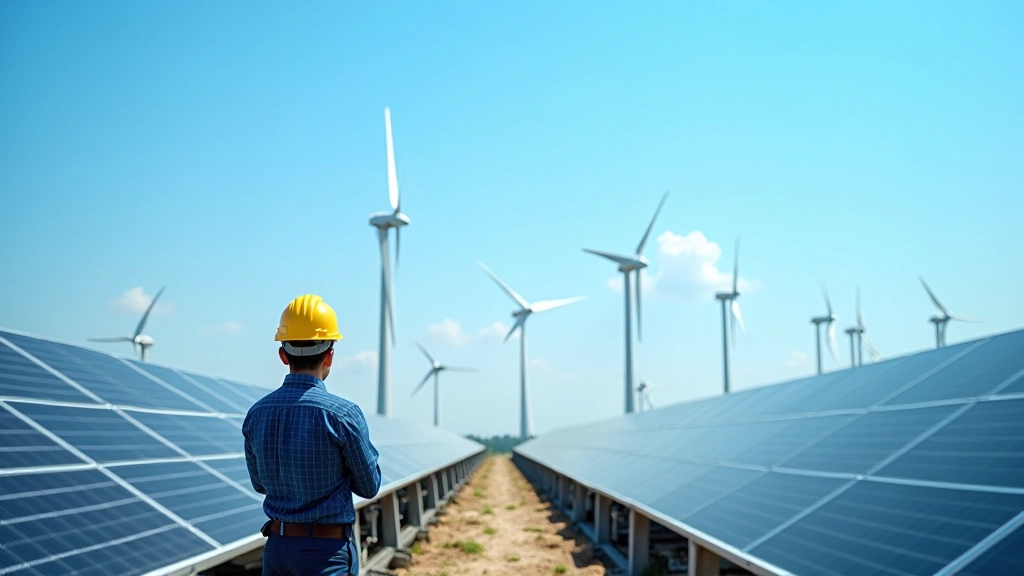
Green energy projects require construction, equipment manufacturing, and ongoing maintenance. That’s immediate employment. Solar installations alone generated over 8,000 jobs in Malaysia in 2024. Wind farm development is accelerating. You’ve got electricians, engineers, project managers, and supply chain workers all participating in measurable economic output.
The renewable sector doesn’t just employ people — it builds infrastructure with long-term value. A solar farm operational for 25 years produces continuous output that’s tracked in GDP calculations. That’s different from consumption-based spending that disappears once you’ve bought something.
Environmental targets force industries to innovate. You can’t hit carbon reduction goals without new technology. That innovation creates entire new sectors. Battery storage technology, smart grid systems, carbon capture methods — these don’t exist without environmental requirements pushing development. And that’s where real value creation happens in modern economies.


Green bonds have changed the investment landscape. Instead of traditional debt, companies and governments issue bonds specifically for environmental projects. International investors are buying them aggressively. Malaysia issued its first green sovereign bonds in 2022. They sold out. That wasn’t charity — investors wanted the returns and the sustainability profile.
Here’s what’s important: this isn’t replacing regular investment. It’s additional capital flowing into the economy. When international pension funds and institutional investors put money into Malaysian green bonds, that’s new money entering the system. It funds infrastructure projects that generate jobs and economic activity. The financial flows are real and measurable in GDP statistics.
The green finance sector itself creates jobs. Bond traders, sustainability analysts, project developers, environmental consultants — all new roles that didn’t exist five years ago. That’s employment and economic activity directly attributable to environmental policy.
Multiple targets and mechanisms are working together to drive growth.
Malaysia committed to reducing carbon emissions by 45% by 2030 (from 2005 baseline). That’s not optional — it drives investment in renewable energy infrastructure, efficiency upgrades, and industrial transformation. Companies adapting to these targets are creating competitive advantages in global markets.
The goal is 31% renewable energy by 2025. This requires building thousands of solar installations, developing wind capacity, and upgrading grid infrastructure. Every megawatt of capacity represents construction contracts, equipment purchases, and long-term operational employment.
Green bonds, sustainability-linked loans, and environmental investment funds are expanding rapidly. Malaysia’s green finance market grew 40% year-over-year. That capital flows into projects generating measurable economic output and GDP contribution.
Manufacturing, agriculture, and energy sectors are modernizing processes to reduce environmental impact. This modernization increases efficiency, reduces waste, and improves competitiveness. It’s forced innovation creating new business models and revenue streams.
Don’t believe us — look at the data. Malaysia’s renewable energy sector directly contributed 2.3% to GDP growth in 2024. That’s substantial. The green technology sector is growing at 18% annually compared to 4% for the overall economy. That’s not marginal — that’s where real growth is happening.
Employment numbers show the shift clearly. Green energy jobs grew 25% while traditional energy sectors stayed flat. These aren’t temporary positions either. Renewable energy technicians, grid specialists, and environmental engineers earn competitive salaries with career progression. Young professionals are moving into these fields because they’re growth sectors.
Export opportunities are emerging too. Malaysian companies are becoming specialists in renewable technology and green finance. They’re exporting expertise to other Southeast Asian countries. That’s new revenue for the economy. Environmental leadership is becoming an economic advantage, not a cost.

Costs are real, but they’re manageable and create economic opportunities.
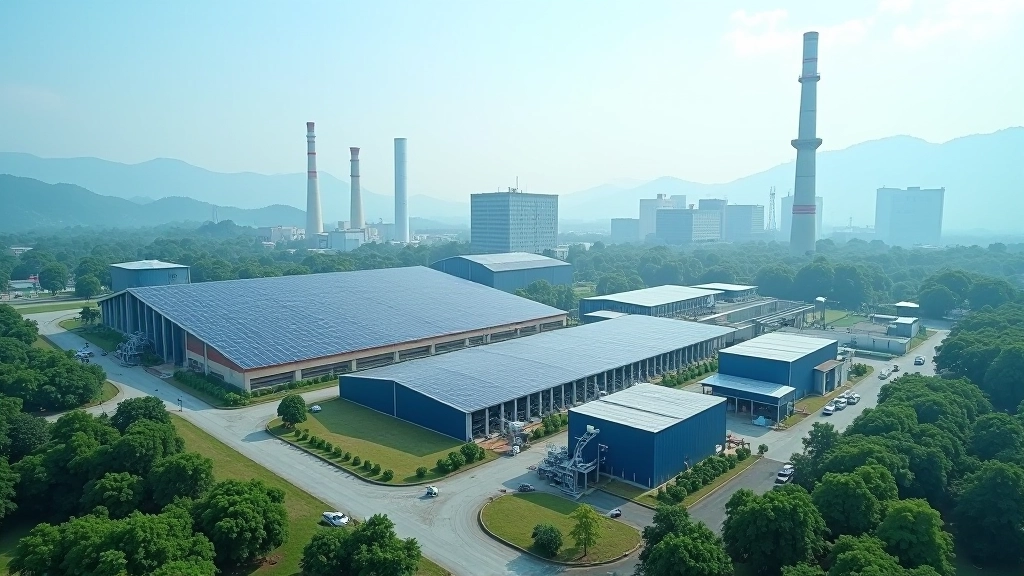
Transitioning from fossil fuels requires infrastructure spending. Grid upgrades, energy storage systems, transmission lines — these cost money. But that’s construction activity. Engineers design systems. Companies manufacture equipment. Workers build infrastructure. It’s all measurable economic output.
Workers in traditional energy sectors aren’t just abandoned. Retraining programs develop new skills. Many transition into renewable energy roles. Coal plant engineers become wind turbine specialists. The transition creates opportunities for workforce development and education sector growth. That’s economic activity too.
Here’s the underrated part: renewable energy reduces operating costs long-term. Solar panels don’t require fuel. Wind turbines have minimal operational expenses. Manufacturing processes become more efficient. Reduced input costs improve business margins. That translates to competitiveness and market expansion.
This is the fundamental misconception. Green policies create economic activity. They redirect investment toward growing sectors. Malaysia’s evidence shows environmental commitments and GDP growth moving in the same direction, not opposite ones.
International investors aren’t funding environmental projects out of charity. They’re pursuing returns. Green bonds offer competitive yields. Renewable energy projects generate revenue. Environmental investment is financially attractive, which means capital will keep flowing into these sectors.
Economies built on renewable energy are more resilient. They’re not vulnerable to fuel price volatility. They’re not dependent on imported energy. They’re not exposed to carbon regulation risks. That’s economic stability — which matters more than short-term growth rates.
Malaysia’s experience shows that environmental sustainability and GDP growth aren’t competing goals — they’re complementary. Green investments create jobs. Renewable energy reduces operating costs. Green finance attracts capital. Environmental innovation drives technological advancement. Carbon reduction targets push industrial modernization.
The old debate about environment versus economy is outdated. Modern economic growth happens in green sectors. Companies that don’t adapt to environmental standards become uncompetitive. Those that embrace sustainability find new market opportunities. That’s not sacrifice — that’s strategic positioning for future growth.
If you’re making economic decisions, environmental factors aren’t constraints anymore. They’re indicators of where capital is flowing and where competitive advantages are forming. Understanding this connection isn’t just environmental responsibility — it’s economic literacy.


This article provides educational information about environmental sustainability’s relationship to economic growth in Malaysia. The data and analysis presented are based on publicly available sources and economic research. This content is informational only and shouldn’t be interpreted as financial advice, investment guidance, or policy recommendations. Environmental and economic conditions vary by region and time period. For specific decisions about investments or business strategy, consult qualified professionals who can assess your individual circumstances. Sustainability trends are evolving — information may change as new data emerges.