Green Bond Market Fundamentals
What green bonds actually are, how Malaysia’s bond market is developing, and what investors need to understand about sustainable finance instruments.
Read Article
Breaking down the actual expenses of shifting from fossil fuels to solar and wind energy. Includes infrastructure investments and timeline projections.
Malaysia’s transition to renewable energy isn’t just about environmental responsibility—it’s about understanding the real financial commitment required. The country’s shift from coal and natural gas to solar, wind, and hydroelectric power will reshape the energy sector fundamentally. We’re looking at substantial infrastructure investments, grid modernization, and workforce retraining across the next decade.
The transition costs aren’t hidden or theoretical. They’re measurable, documented, and spread across government budgets, private sector investments, and ultimately consumer energy bills. Understanding these costs helps Malaysia make informed decisions about the pace and scale of renewable adoption.
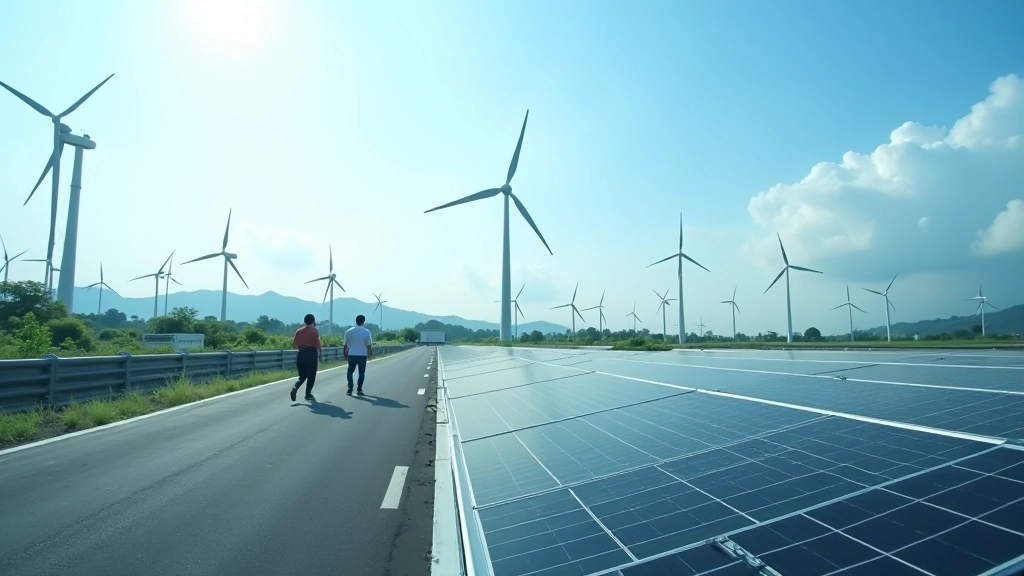
The backbone of Malaysia’s renewable energy transition is infrastructure—and it’s expensive. Solar farms require land acquisition, panel installation, and inverter systems. Wind farms need turbine towers, foundation work, and specialized installation equipment. But here’s what often gets overlooked: the grid itself needs a complete overhaul.
Current electrical grids were designed for centralized power plants. Renewable energy is distributed and variable. Battery storage systems, smart grid technology, and transmission upgrades aren’t optional—they’re essential. Estimates suggest Malaysia will need 15-20 billion ringgit in grid modernization alone through 2035. That’s not a small number, and it affects everything from project timelines to consumer electricity costs.
The upfront costs are significant, but they’re declining. Solar panel prices have dropped 90% in the past decade. Manufacturing capacity is increasing regionally. Malaysia’s strategic location in Southeast Asia means it can potentially become a renewable equipment manufacturing hub—which could offset some transition costs through job creation and exports.
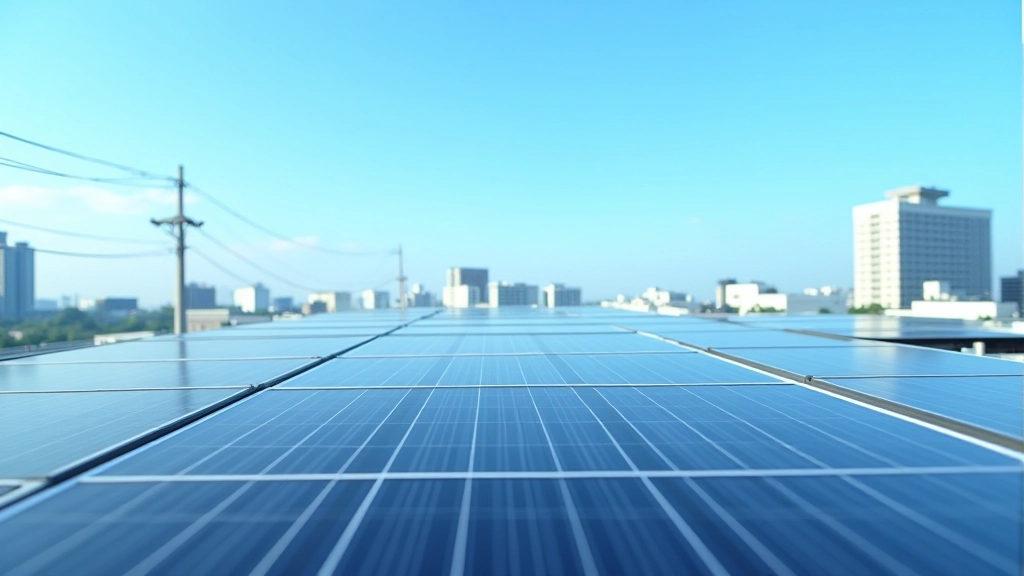
“The transition won’t happen overnight. But every ringgit invested in renewable infrastructure today is one less ringgit spent on coal imports tomorrow. Malaysia’s energy independence depends on getting this transition right.”
— Energy sector analyst, 2026

Who pays for this? That’s the practical question. Malaysia’s approach combines multiple funding sources. Government budgets cover grid infrastructure and subsidize initial renewable projects. Private sector investments fund commercial solar and wind farms. Green bonds—debt securities specifically designed to finance environmental projects—are becoming increasingly important.
Green bonds aren’t theoretical. Malaysia’s green bond market has grown from essentially zero in 2014 to over 100 billion ringgit in issued bonds. These attract international investors specifically looking to support climate action. Lower interest rates compared to traditional bonds make renewable projects more financially viable.
Loan terms matter significantly. A 20-year solar farm financed at 4% annual interest versus 7% creates a cost difference of hundreds of millions of ringgit. International development banks—World Bank, Asian Development Bank—offer favorable financing for renewable projects in developing economies. Malaysia’s access to these funds depends on demonstrating genuine commitment to the transition.
25-30 billion RM
Rooftop and utility-scale solar farms across residential, commercial, and industrial sectors
15-20 billion RM
Smart grid technology, transmission upgrades, and distribution system improvements
10-15 billion RM
Large-scale battery systems to address renewable energy variability
3-5 billion RM
Training programs for renewable energy installation, maintenance, and grid operation
Total estimated investment: 53-70 billion RM through 2035. These aren’t one-time costs—they’re phased investments spread across the decade, allowing for technology cost reductions and financing optimization.
Initial grid upgrades, 5,000 MW solar capacity installed, first major battery storage projects operational, workforce training accelerates
10,000 MW additional solar capacity, offshore wind projects begin, green bond market expansion, coal plant phase-out begins
20,000+ MW renewable capacity operational, grid fully modernized for variable generation, 40% of electricity from renewables target achieved
The transition costs money upfront, but the long-term economics are compelling. Coal imports cost Malaysia billions annually—money that flows out of the country. Renewable energy is generated domestically. Grid costs stabilize once infrastructure’s built. Operating costs for solar and wind are essentially zero—no fuel to purchase.
Environmental benefits include reduced carbon emissions—critical for Malaysia’s 2050 net-zero commitment. Air quality improves as coal plants close. Health costs associated with air pollution decline. Water usage decreases significantly since renewable energy requires minimal water compared to thermal power plants.
Job creation is substantial. Solar installation, maintenance, battery manufacturing, and grid modernization generate thousands of skilled positions. These aren’t temporary jobs—they’re permanent roles in a growing sector. Malaysia can position itself as a regional renewable energy leader, attracting manufacturing investment and expertise.

Malaysia’s renewable energy transition isn’t cheap. Fifty to seventy billion ringgit is substantial. But that’s the cost of staying with fossil fuels too—just distributed differently. Coal imports, air pollution health costs, and climate change impacts represent a different form of expense. The difference is that renewable infrastructure builds lasting value, while fossil fuel spending is recurring and increasing.
The transition timeline matters. Spreading costs over a decade makes them manageable. Early adoption of green bonds reduces financing costs. Manufacturing capacity development creates local employment. Grid modernization improves reliability even beyond renewable integration.
Malaysia’s position in Southeast Asia—with strong solar resources, potential for wind energy, and regional manufacturing opportunities—makes the transition economically viable. The costs are real, but so are the opportunities. Understanding these numbers helps policymakers, businesses, and citizens support a transition that makes both environmental and economic sense.
This article provides educational information about Malaysia’s renewable energy transition costs and timelines. The figures, projections, and analysis presented are based on publicly available data, government reports, and industry research current as of March 2026. However, transition costs, timelines, and technology adoption rates are subject to change based on policy decisions, technological advancement, market conditions, and global economic factors. This content is informational only and shouldn’t be used as the sole basis for investment decisions, policy recommendations, or business planning. For specific financial, technical, or policy guidance, consult with qualified professionals in renewable energy, finance, or environmental sectors.